
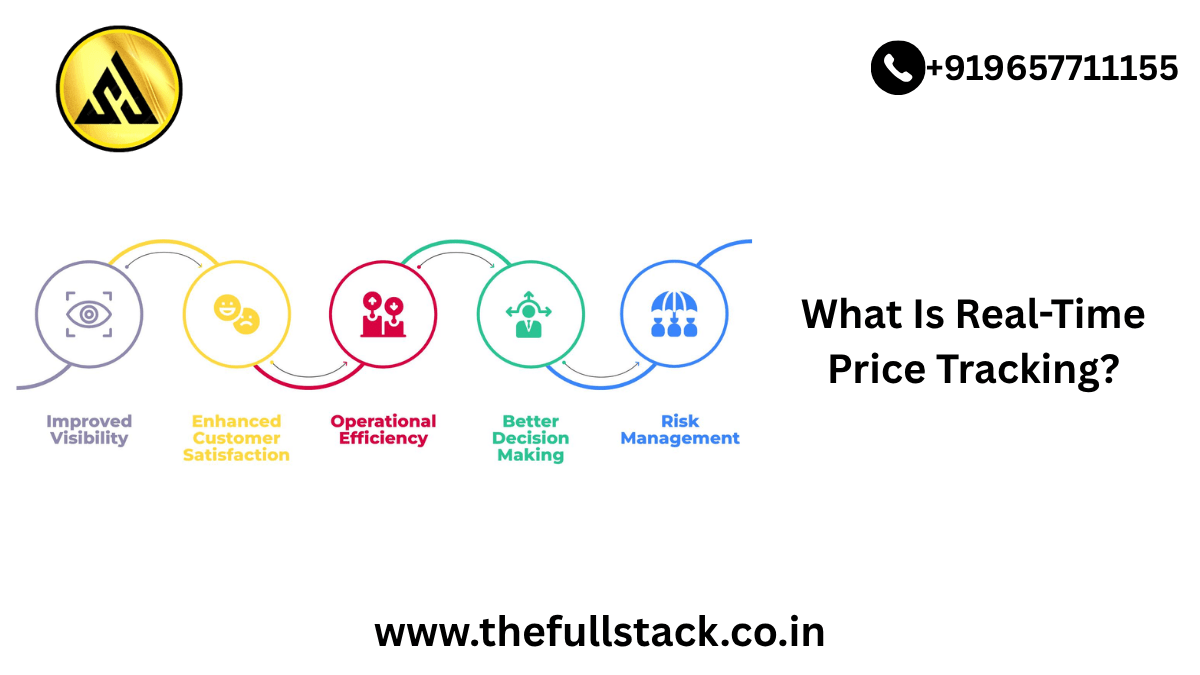
What Is Real-Time Price Tracking?
Real-time price tracking is exactly what it sounds like: automatically monitoring and recording the latest prices of products or services from various online sources. This can apply to everything from tech gadgets and flight tickets to stock prices and cryptocurrency.
The goal? Stay up to date. Respond quickly. Make better choices.
Whether you’re trying to snag a great deal, optimize your inventory, or stay ahead of your competitors, real-time price tracking offers you a competitive edge.
The Role of Web Scraping
So, how do you collect pricing information in real time?
Enter web scraping—a technique used to extract data from websites. Think of it like a digital robot that goes to a website, finds the price of a product, and copies it into a spreadsheet for you.
Using tools like Python, BeautifulSoup, or Scrapy, you can build scripts that automatically:
- Visit multiple web pages
- Extract pricing and product data
- Update your dashboard or send you alerts when prices change
💡 Example: Say you’re tracking the price of a laptop on five different e-commerce sites. Instead of checking manually every hour, your scraper does it for you—and emails you when there’s a drop!
Why Real-Time Price Tracking Matters (Especially Today)
In a fast-moving digital marketplace, prices change frequently—sometimes hourly. If you’re not paying attention, you’re likely leaving money on the table.
1. Stay Ahead of Competitors
Businesses can use real-time data to adjust their prices dynamically. For example, if a competitor slashes their product price, your tool can notify you instantly, allowing you to respond faster.
2. Maximize Profits
For e-commerce businesses or resellers, price tracking helps you optimize your pricing strategy—striking the perfect balance between being competitive and maintaining healthy margins.
3. Make Smarter Purchases
Consumers can set alerts for when prices drop on items like airline tickets, electronics, or groceries. It’s a game-changer for personal budgeting.
4. Spot Market Trends
Are prices generally rising for a certain product category? Are discounts seasonal? Web scraping lets you gather historical pricing data to detect trends over time.
Getting Started: Tools and Tips for Beginners
You don’t need to be a tech wizard to start tracking prices. Here’s a quick roadmap to guide your journey.
Basic Tools You Can Learn Quickly:
- Python: Beginner-friendly and widely used in data science.
- BeautifulSoup: A Python library for scraping HTML data.
- Selenium: Ideal for interacting with dynamic websites (like those using JavaScript).
- Google Sheets + API Integration: A great no-code/low-code option.
Tips for Newbies:
- Start small: Pick one product on one site. Build your first scraper to monitor its price every hour.
- Respect site policies: Read the site’s robots.txt file to make sure scraping is allowed.
- Use user-agent headers: This helps your scraper mimic a real browser and avoid getting blocked.
- Add delays between requests to avoid overwhelming websites.
Real-World Applications: How Companies Use Price Trackers
Companies around the world are already harnessing web scraping for powerful use cases:
- E-commerce: Retailers dynamically adjust prices based on competitor trends.
- Travel websites: Flight and hotel aggregators use scrapers to collect and compare prices.
- Finance: Analysts use scraping tools to monitor stock tickers or cryptocurrency prices in real time.
- Market research: Brands scrape user reviews, pricing, and product data to guide strategy.
The potential is huge, and it’s growing fast.
From Curiosity to Career: Your Next Steps
Learning how to build a real-time price tracker using web scraping isn’t just a fun side project—it’s a skill that’s in high demand. Companies need data, and people who know how to collect it are ahead of the game.
🚀 Whether you want to:
- Enhance your business intelligence
- Boost your resume with hands-on projects
- Launch your own data-driven startup
…this is a great place to start.
Ready to Take the Leap?
Don’t stop at reading. Start building.
We’ve curated a collection of beginner-friendly tutorials, coding bootcamps, and courses to help you learn web scraping and automation from scratch. Whether you’re a total newbie or a marketing pro looking to upskill, we’ve got you covered.
👉 Explore our Web Scraping Courses Now →
Final Thoughts
Real-time price tracking using web scraping is more than a buzzword—it’s a practical, empowering skill that puts valuable market data right at your fingertips. Whether you’re trying to stretch your budget or outmaneuver competitors, it’s time to unlock the power of automation and data.
So why wait?
Start tracking. Start learning. Start winning.
Frequently Asked Questions
What is real-time price tracking and how does it work?
Real-time price tracking is a feature that allows you to monitor the current prices of products or services as they change in real-time. This is made possible through automated data collection and processing, enabling you to stay up-to-date with the latest pricing information. By using real-time price tracking, you can make informed decisions based on the most current data.
What are the benefits of using real-time price tracking for my business?
Using real-time price tracking can provide your business with a competitive edge by allowing you to quickly respond to price changes in the market. This can help you to stay ahead of your competitors, optimize your pricing strategy, and ultimately increase your revenue. Additionally, real-time price tracking can also help you to identify trends and patterns in the market, enabling you to make more informed business decisions.
How accurate is real-time price tracking and can I rely on the data?
Real-time price tracking is highly accurate, as it collects data from a wide range of sources and processes it in real-time. However, the accuracy of the data may be affected by factors such as internet connectivity, data feed quality, and software performance. To ensure the highest level of accuracy, it is recommended to use a reputable real-time price tracking tool and to regularly verify the data against other sources.
Can I use real-time price tracking for multiple products or services at the same time?
Yes, most real-time price tracking tools allow you to track multiple products or services simultaneously, enabling you to monitor a wide range of prices in real-time. This can be particularly useful for businesses that offer a large portfolio of products or services, or for those that need to track prices across multiple markets or regions. By tracking multiple prices at the same time, you can gain a more comprehensive understanding of the market and make more informed decisions.
Is real-time price tracking suitable for small businesses or individual users?
Yes, real-time price tracking is suitable for small businesses and individual users, as it can provide valuable insights into the market and help you to make more informed decisions. Many real-time price tracking tools are designed to be user-friendly and affordable, making them accessible to businesses of all sizes. Whether you are a small business owner, entrepreneur, or individual user, real-time price tracking can help you to stay ahead of the competition and achieve your goals.

Leave a Reply