


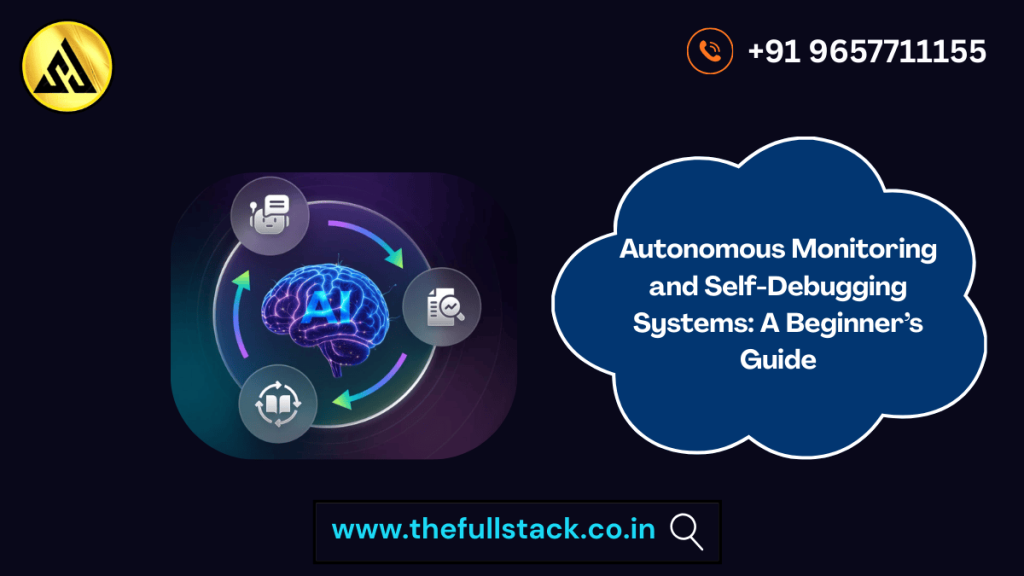
Modern software systems are more complex than ever. Cloud-native applications, microservices, distributed systems, and AI-driven platforms generate massive amounts of data every second. Traditional monitoring tools that rely heavily on human intervention can no longer keep up.
This is where autonomous monitoring systems and self-debugging systems come into play. These intelligent systems don’t just monitor applications—they detect issues, analyze root causes, and often fix problems automatically, without waiting for engineers to step in.
For beginners, this may sound futuristic. For companies, it’s already becoming a necessity. In this guide, we’ll break down autonomous monitoring and self-debugging systems in simple terms, explain how they work, and show why they are shaping the future of IT operations.
What Are Autonomous Monitoring Systems?
Autonomous monitoring systems are intelligent platforms that continuously observe software, infrastructure, and applications without manual configuration for every scenario.
In simple words:
They watch systems, understand what “normal” looks like, detect abnormal behavior, and take action automatically.
Unlike traditional monitoring tools that only trigger alerts, autonomous systems use AI, machine learning, and automation to respond intelligently.
Real-world analogy:
Think of a smart car that not only shows a warning light but also diagnoses the problem and schedules maintenance automatically.
What Is Self-Debugging?
Self-debugging is the ability of a system to identify, analyze, and fix errors on its own.
Instead of engineers manually tracing logs and stack traces, self-debugging systems can:
- Pinpoint the root cause
- Suggest or apply fixes
- Prevent similar issues in the future
For beginners, self-debugging means fewer late-night debugging sessions. For organizations, it means reduced downtime and faster recovery.
How Autonomous Monitoring and Self-Debugging Work Together
Autonomous monitoring systems and self-debugging systems are closely connected.
Monitoring answers:
“What is happening right now?”
Self-debugging answers:
“Why did it happen and how do we fix it?”
Together, they form self-healing systems that can maintain stability with minimal human intervention.
Core Components of Autonomous Monitoring Systems
Data Collection
These systems collect data from logs, metrics, traces, user behavior, and infrastructure resources.
Example:
CPU usage, response times, error rates, memory consumption.
Anomaly Detection
Using machine learning models, autonomous monitoring systems learn normal behavior patterns and detect anomalies automatically.
Example:
A sudden spike in API response time that doesn’t match historical trends.
Root Cause Analysis
Instead of flooding teams with alerts, the system correlates data across services to identify the real source of the problem.
Example:
A slow checkout page traced back to a database connection issue.
Automated Remediation
In advanced setups, systems can fix issues automatically.
Examples:
- Restarting failed services
- Scaling infrastructure up or down
- Rolling back faulty deployments
Self-Learning and Optimization
Over time, autonomous monitoring systems learn from incidents and improve their accuracy and responses.
This is what makes them “autonomous” rather than rule-based.
Real-World Use Cases of Autonomous Monitoring Systems
Cloud Infrastructure Monitoring
Cloud platforms like AWS, Azure, and GCP use autonomous monitoring to manage dynamic workloads and prevent outages.
Microservices and Distributed Systems
With hundreds of services communicating together, manual monitoring becomes impossible. Autonomous systems track dependencies and failures automatically.
Enterprise Applications
Large organizations use self-debugging systems to reduce downtime in ERP, CRM, and financial platforms.
AI and Data Platforms
AI pipelines rely on autonomous monitoring to detect data drift, performance degradation, and model failures.
Benefits for Beginners and Companies
Reduced Downtime
Systems fix issues before users even notice them.
Faster Incident Resolution
Root cause analysis happens in minutes instead of hours.
Lower Operational Costs
Less manual intervention means smaller on-call teams and fewer emergency fixes.
Improved Developer Productivity
Developers spend more time building features and less time debugging production issues.
Current Industry Trends in 2025
In 2025, autonomous monitoring systems are driven by several trends:
- AIOps (Artificial Intelligence for IT Operations)
- Self-healing infrastructure
- Predictive incident management
- Observability over traditional monitoring
- Integration with DevOps and SRE practices
Companies are moving from reactive monitoring to proactive and autonomous operations.
Challenges and Limitations
While powerful, autonomous monitoring systems are not magic.
Common challenges include:
- Initial setup complexity
- Data quality issues
- Trust in automated decisions
- Over-reliance without human oversight
The best systems combine automation with human review.
How Beginners Can Get Started
If you’re new to this field, start by learning:
- Basic monitoring concepts (logs, metrics, traces)
- Cloud fundamentals
- DevOps and CI/CD basics
- Introduction to AI and machine learning
Understanding these foundations makes autonomous monitoring systems easier to grasp.
The Future of Autonomous Monitoring and Self-Debugging
The future points toward fully self-healing systems where software can predict failures before they occur and fix them automatically.
In coming years, we’ll see:
- Smarter anomaly detection
- Automated code-level fixes
- AI-driven decision-making
- Minimal human intervention in routine operations
This evolution will redefine how engineers build and maintain systems.
Conclusion: Why Autonomous Monitoring Systems Are the Future
Autonomous monitoring systems and self-debugging technologies represent a major shift in how software is managed. They reduce downtime, improve reliability, and allow teams to focus on innovation instead of firefighting.
For beginners, learning these concepts opens doors to high-demand roles in DevOps, cloud engineering, and AI-driven operations. For organizations, adopting autonomous monitoring is no longer optional—it’s a competitive advantage.
Call to Action
If you want to stay ahead in modern IT and software engineering, start exploring autonomous monitoring systems today. Dive into beginner guides, hands-on labs, and professional courses to build skills that will define the future of technology.
you may be interested in this blog here:
Code Snippets for Specific Programming Tasks
How Many Employees Does Salesforce Have in 2024?
{ “@context”: “https://schema.org”, “@type”: “BlogPosting”, “headline”: “Autonomous Monitoring Systems & Self-Debugging Explained”, “keywords”: “Autonomous Monitoring Systems”, “image”: “https://example.com/images/autonomous-monitoring-systems.png”, “author”: { “@type”: “Person”, “name”: “Nitya” }, “publisher”: { “@type”: “Organization”, “name”: “Elearning Solutions”, “logo”: { “@type”: “ImageObject”, “url”: “https://example.com/images/logo.png” } }, “datePublished”: “2025-12-24”, “dateModified”: “2025-12-24”, “description”: “Learn how autonomous monitoring systems and self-debugging technologies use AI to detect, diagnose, and fix issues automatically in modern software systems.”, “mainEntityOfPage”: { “@type”: “WebPage”, “@id”: “/autonomous-monitoring-systems” } }Frequently Asked Questions
What is autonomous monitoring and how does it work?
Autonomous monitoring refers to the ability of a system to automatically detect and respond to issues without human intervention. This is achieved through the use of advanced algorithms and machine learning techniques that analyze system data in real-time. By doing so, autonomous monitoring enables systems to self-correct and optimize their performance.
What are the benefits of self-debugging systems for my organization?
Self-debugging systems can greatly benefit an organization by reducing downtime, improving system reliability, and increasing overall efficiency. These systems can also help to identify and resolve issues before they become critical, thereby minimizing the impact on business operations. Additionally, self-debugging systems can help to reduce the workload of IT staff, allowing them to focus on more strategic tasks.
How do I get started with implementing autonomous monitoring and self-debugging systems?
To get started with implementing autonomous monitoring and self-debugging systems, you should first identify the systems and processes that would benefit most from automation. Next, you should research and select the appropriate tools and technologies to support your implementation. It is also important to develop a clear plan and timeline for deployment, as well as to provide training and support for your IT staff.
What kind of data and analytics are required for effective autonomous monitoring?
Effective autonomous monitoring requires access to a wide range of system data, including performance metrics, log files, and user feedback. This data should be analyzed in real-time using advanced analytics and machine learning techniques to identify trends, patterns, and anomalies. The insights gained from this analysis can then be used to inform automated decision-making and optimize system performance.
How can I ensure the security and integrity of my autonomous monitoring and self-debugging systems?
To ensure the security and integrity of your autonomous monitoring and self-debugging systems, you should implement robust security measures, such as encryption, authentication, and access controls. You should also regularly update and patch your systems to protect against known vulnerabilities. Additionally, you should establish clear policies and procedures for monitoring and responding to security incidents, and provide ongoing training and support for your IT staff.