
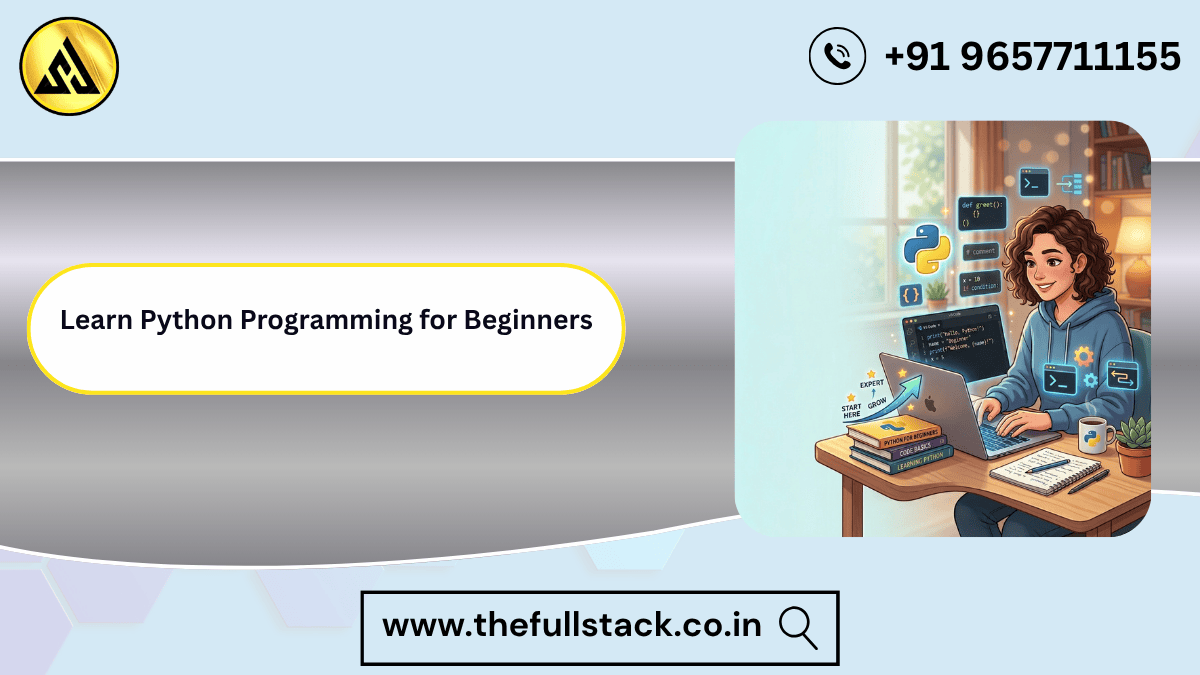
Learn Python Programming for Beginners
Introduction to Python
Welcome to the world of Python programming. As a beginner, you’re taking the first step towards a exciting journey in the field of computer science. Python is a high-level, easy-to-learn language that is widely used in various industries such as web development, data analysis, artificial intelligence, and more. In this blog post, we’ll guide you through the basics of Python and help you get started with your first script.
Why Python?
So, why should you learn Python? Here are a few reasons:
- Easy to learn: Python has a simple syntax and is relatively easy to read and write, making it a great language for beginners.
- Versatile: Python can be used for a wide range of applications, from web development to data analysis and machine learning.
- Large community: Python has a large and active community, which means there are many resources available to help you learn and stay up-to-date with the latest developments.
- Cross-platform: Python can run on multiple operating systems, including Windows, macOS, and Linux.
Real-World Applications of Python
Python is used in many real-world applications, including web development, data analysis, artificial intelligence, and more. Some examples of companies that use Python include Google, Facebook, and Netflix. Python is also used in scientific computing, data visualization, and automation.
Install Python
Before you can start coding, you need to install Python on your computer. Here’s how:
- Go to the official Python website and download the latest version of Python for your operating system.
- Follow the installation instructions to install Python on your computer.
- Once the installation is complete, open a terminal or command prompt and type “python –version” to verify that Python is installed correctly.
Write Your First Script
Now that you have Python installed, it’s time to write your first script. Here’s a simple example to get you started:
- Open a text editor or IDE (Integrated Development Environment) such as PyCharm or Visual Studio Code.
- Type the following code: print(“Hello, World!”)
- Save the file with a .py extension, for example, hello.py.
- Open a terminal or command prompt and navigate to the directory where you saved the file.
- Type “python hello.py” to run the script.
Troubleshooting Common Errors
If you encounter any errors while running your script, don’t worry. Here are some common errors and how to fix them:
- SyntaxError: Check your code for any syntax errors, such as missing colons or parentheses.
- IndentationError: Make sure your code is properly indented.
- NameError: Make sure you have defined all variables before using them.
Next Steps
Congratulations, you’ve just written and run your first Python script. Here are some next steps to help you continue learning:
- Learn the basics of Python syntax, such as variables, data types, loops, and functions.
- Practice writing scripts and experimenting with different code examples.
- Explore popular Python libraries and frameworks, such as NumPy, pandas, and Flask.
- Join online communities, such as Reddit’s r/learnpython, to connect with other Python learners and get help with any questions you may have.
Frequently Asked Questions
What are the system requirements to learn Python programming?
To learn Python programming, you will need a computer with a relatively recent operating system, such as Windows, macOS, or Linux, and a code editor or IDE like PyCharm or Visual Studio Code. A basic understanding of computer concepts is also necessary. You can start with a minimal setup and upgrade as you progress in your learning journey.
Do I need prior programming experience to learn Python?
No, prior programming experience is not necessary to learn Python. Python is a beginner-friendly language, and many resources are available to help you get started from scratch. With dedication and practice, you can quickly grasp the fundamentals of Python programming, even as a complete beginner.
How long does it take to learn Python programming for beginners?
The time it takes to learn Python programming for beginners depends on several factors, including the amount of time you dedicate to learning, your learning pace, and your goals. With consistent effort, you can learn the basics of Python in a few weeks to a few months. As you progress, you can build on your knowledge and develop more advanced skills.
What are the best resources to learn Python programming for beginners?
There are many resources available to learn Python programming for beginners, including online courses, tutorials, and books. Some popular resources include Codecademy, Python.org, and W3Schools. You can also find many videos and tutorials on YouTube and other online platforms to help you get started.
Can I use Python programming for real-world applications and projects?
Yes, Python programming has many real-world applications and is used in a variety of fields, including data science, machine learning, web development, and automation. As you learn Python, you can apply your skills to build projects, such as games, chatbots, and data analysis tools, and even pursue a career in Python development. With practice and experience, you can develop the skills needed to work on complex projects and contribute to the Python community.

Leave a Reply